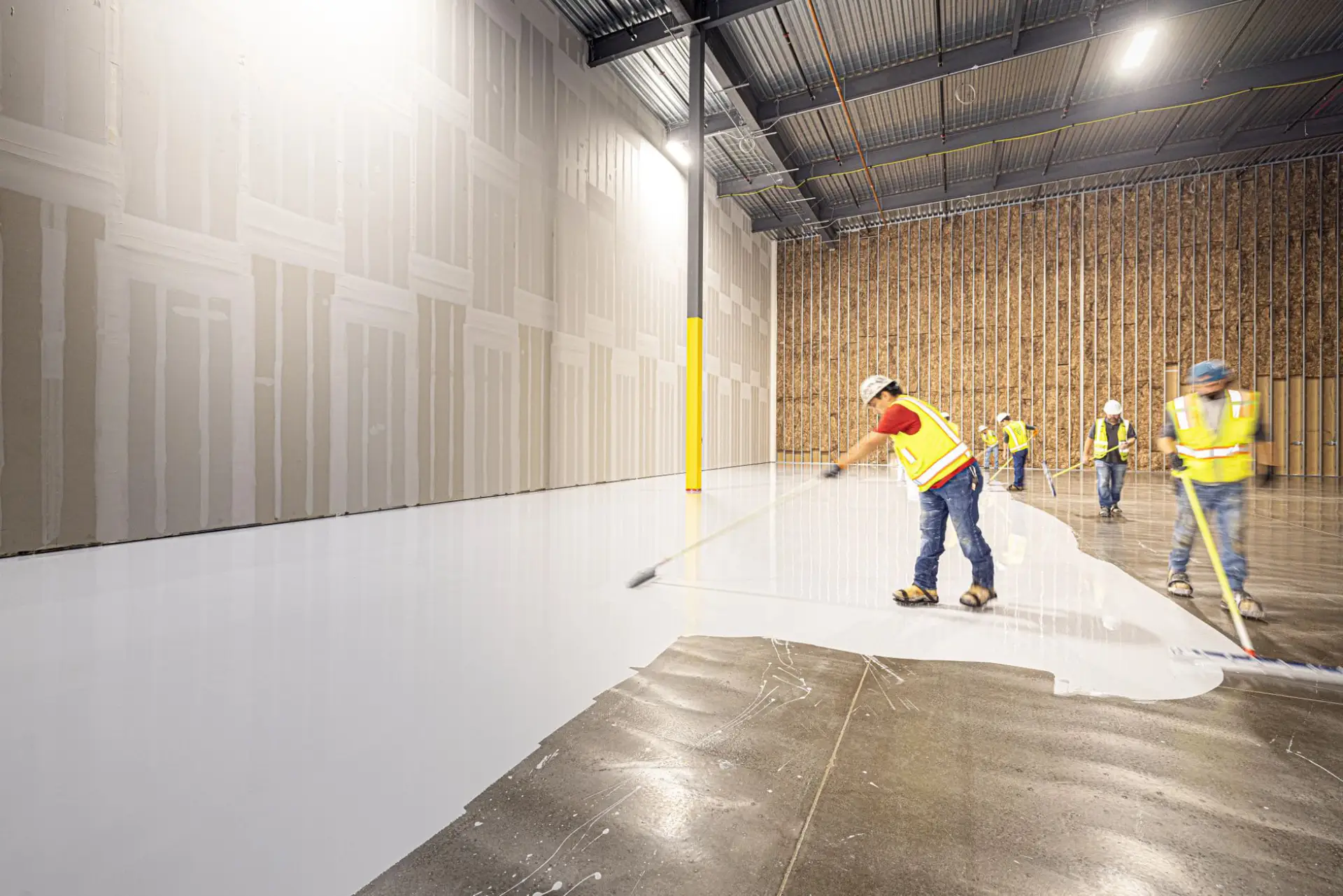
Concrete Resurfacing in Racine, WI — Residential & Commercial Concrete Overlay Contractors
Polymer-modified overlays for driveways, patios and walkways across Racine, Kenosha, Milwaukee and Waukesha Counties. Resurfacing fixes a worn surface, not a failing slab, and the difference gets checked first.
Concrete Resurfacing in Racine, WI
Racine Premier Concrete is your local resource for concrete resurfacing and decorative overlays across Racine, Kenosha, Milwaukee and Waukesha Counties. We work with experienced concrete contractors who check whether a slab is a resurfacing candidate before selling one.
Concrete resurfacing puts a new wearing surface over an existing slab. A polymer-modified cementitious overlay is bonded to the old concrete, finished to the texture you want, and sealed, and the result is a surface that looks new over a structure that is not. When the slab underneath is sound, that is one of the best values in concrete work: it costs a fraction of removal and replacement, it takes a fraction of the time, and it does not put a driveway or patio out of service for a week. It is also the only way to change the appearance of a large area of concrete without demolition.
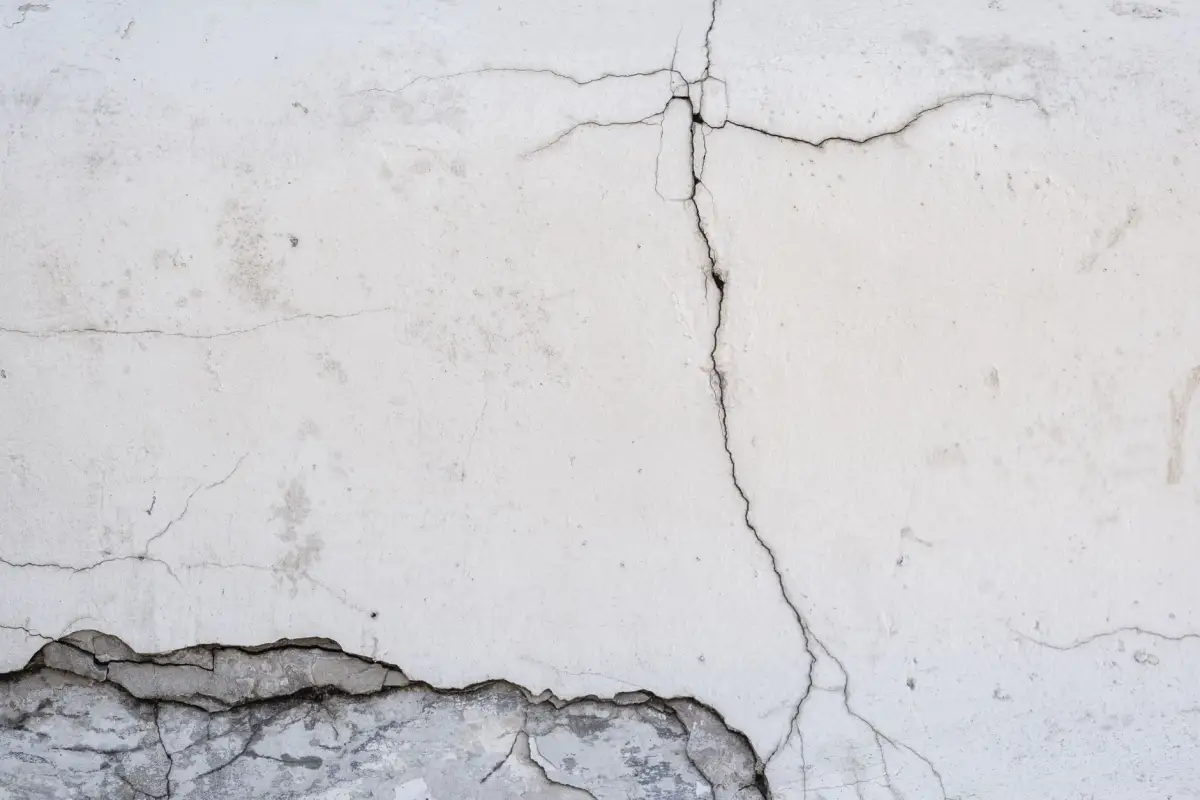
The whole proposition depends on one condition, and it is worth being blunt about it. An overlay is only as stable as what it is bonded to. It will not bridge a crack that is still moving, it will not hold a slab together that has settled, and it will not fix a base problem, because it is a quarter inch of material sitting on top of the thing that failed. Any crack in the slab that is still active will telegraph through the overlay, usually within the first year or two. That is not a product defect, it is physics, and a contractor who promises otherwise is setting up a complaint. The right way to buy resurfacing is to establish first that the slab is structurally fine and the damage is at the surface.
What’s Included in a Racine Concrete Resurfacing Quote
- An assessment of whether the slab is a resurfacing candidate at all, including checking for offsets, rocking and hollow-sounding delamination
- A clear statement of which existing cracks are expected to telegraph through the overlay
- Removal of loose, scaled and delaminated material back to sound concrete
- Mechanical surface preparation by grinding or shot blasting to open the surface and create the profile the overlay needs to bond
- Removal of contaminants that prevent bond, including old sealers, curing compounds, oil and grease
- Repair of spalls, edges and honeycombing before the overlay goes on, since an overlay follows the shape underneath it
- Crack treatment appropriate to each crack, and honest identification of any crack that cannot be treated successfully
- A bonding coat or primer where the overlay system requires one
- Polymer-modified overlay applied at the thickness the system and the condition call for
- The finish selected before application, from broom and knockdown texture to stamped, stenciled or troweled
- Sealer with a non-slip additive on any surface used in winter
- Written guidance on de-icing salt, resealing intervals and what the overlay can and cannot tolerate
Concrete Resurfacing in Racine, WI
Driveway Resurfacing
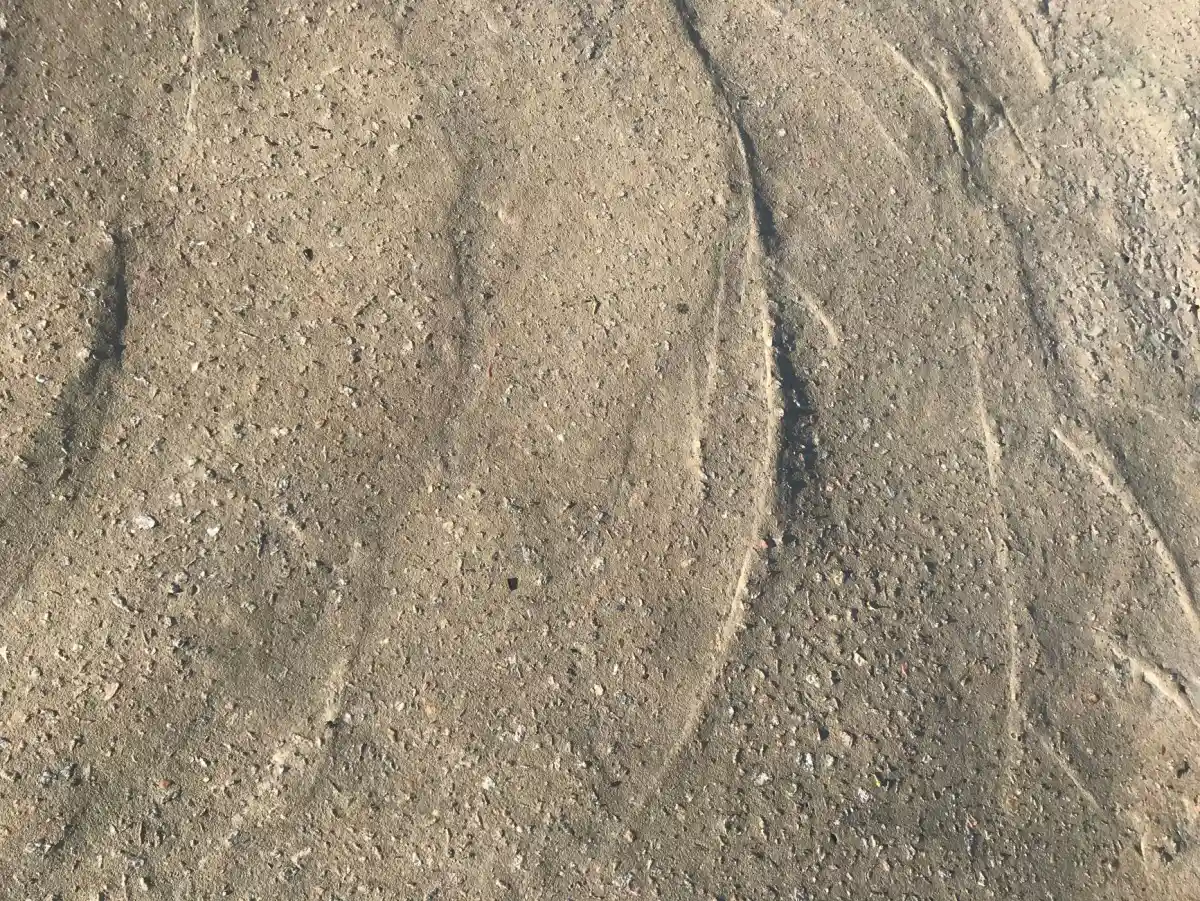
A driveway is the hardest resurfacing environment on a residential property, because the overlay has to take vehicle loads, plow blades, tire scrub in turns and the full weight of a Wisconsin winter's de-icing chemicals. That does not make it a bad candidate, it makes the slab assessment more important. A driveway with a scaled, pitted surface over concrete that is still flat, still at the correct elevation and free of offsets is a strong candidate, and resurfacing it costs far less than replacement while giving back a uniform surface. A driveway that has settled at the apron, cracked into moving sections or been patched repeatedly is not, and putting an overlay on it produces a driveway that looks correct for one season and then shows every crack that was already there.
Patio Resurfacing
Patios are the best resurfacing candidates most properties have. They carry no vehicles, they take less salt than a driveway or a walk, and their failures are usually cosmetic. A patio slab that is structurally sound but stained, scaled or simply dated is exactly what overlays were developed for, and because a patio is where decorative treatment pays off most, resurfacing here is often as much about upgrading the appearance as restoring it. A knockdown texture, a stamped overlay or a colored troweled finish can change a plain gray slab completely without touching the concrete underneath. The two things worth confirming are drainage, since an overlay follows the slope that already exists rather than correcting it, and whether the patio meets the house with an isolation joint that the overlay should not bridge.
Walkway & Sidewalk Resurfacing
Walkways resurface well when the panels are still in plane, and not at all when they are not. The reason is simple: the most common walkway problem in this area is a panel lifted by a root or settled over a trench, and an overlay does nothing about a vertical offset between panels except make it a slightly smoother vertical offset. Where the panels are level and the surface has simply worn, scaled or lost its texture, an overlay restores it at a fraction of replacement cost and can add a decorative finish at the same time. Slip resistance is not optional on a walkway here. An overlay with a smooth troweled finish and a sealer is genuinely slick in freezing rain, so the texture and a non-slip additive get specified deliberately rather than defaulted.
Decorative Concrete Overlays
Overlays are the only practical way to add a decorative finish to concrete that already exists. Stampable overlays are applied thick enough to take a pattern and are stamped much like fresh concrete, which is how an existing patio gets a stone or brick appearance without demolition. Stenciled and taped-pattern overlays produce a defined grid or brick layout at a thinner build. Microtoppings go on very thin and are about color and a smooth, uniform surface rather than texture. Spray-down or knockdown textures give a mottled, slip-resistant finish that suits pool decks and patios. All of them are surface treatments with the same underlying requirement, which is a sound, properly profiled slab beneath, and all of them depend on sealer maintenance to keep their color the way stamped concrete does.
Worn Concrete Surface Restoration
Not every worn slab needs a full decorative overlay. Where the problem is a surface that has lost its texture, dusted, or scaled in patches, restoration can mean grinding to a uniform plane and applying a thin repair mortar or a densifier rather than a full overlay system. This is common on garage floors and interior slabs, where a hard-troweled surface has worn through in traffic paths. It is also the honest answer for a slab where a full overlay would be more product than the situation calls for. The assessment that matters is depth: surface loss measured in a small fraction of an inch over sound concrete is restorable, while material coming away in sheets, or a slab that sounds hollow when tapped, means delamination that has to be removed rather than covered.
Resurfacing vs. Replacement: Which One a Slab Actually Needs
What Resurfacing Fixes
Appearance and the wearing surface. Scaling, pitting, staining, worn texture, a dated finish, and minor surface irregularity. All of that is genuinely restorable at far less cost than replacement, and on a sound slab it is the better purchase by a wide margin.
What Resurfacing Does Not Fix
Anything structural. Settlement, offsets between panels, a slab that rocks, active cracking, a failed base, or drainage that runs the wrong way. An overlay follows the shape and the movement of what is beneath it, and adds no strength to it.
The Crack Question
Active cracks telegraph through. Some overlay systems and detailing reduce how quickly and how visibly, but nothing eliminates it. The honest framing is that a crack in the slab today is a crack in the overlay eventually, and how long that takes depends on how much the slab still moves.
Time and Disruption
Resurfacing takes days rather than weeks, requires no demolition and no haul-off, and leaves the existing elevations untouched, which matters where a slab meets a threshold, an apron or a step. Replacement means demolition, base work, a pour and a curing period before use.
Signs You Need Concrete Resurfacing
- The surface is scaled, pitted or has lost its broom texture, but the slab is still flat and in plane
- Staining, discoloration or a patchwork of old repairs on concrete that is otherwise structurally fine
- A plain gray patio or walk that you want to look like stone, brick or a colored surface without demolition
- A pool deck or patio surface that has become slick or uncomfortably rough underfoot
- A garage or interior floor with worn traffic paths and a dusting surface
- An elevation that cannot change, such as a slab meeting a door threshold, where a replacement would raise or lower the surface
- A budget that will not stretch to replacement on a slab that does not structurally need replacing yet
How Concrete Resurfacing Works
- 1
Candidacy Assessment
The first step decides whether this service applies at all, and a contractor who skips it is selling a product rather than solving a problem. The slab is checked for vertical offsets at cracks and joints, for rocking or movement underfoot, and for hollow-sounding areas that indicate the concrete has delaminated internally. Drainage is traced, because an overlay follows the existing slope and will not correct water running the wrong way. Existing cracks are identified and classified, and the ones expected to telegraph through are pointed out before any money changes hands rather than explained afterward. Contamination is checked too: a slab that has been sealed, or a garage floor with oil soaked into it, needs more preparation and sometimes cannot be resurfaced successfully at all. The output is a clear yes, no, or yes-with-these-limits.
- 2
Surface Preparation and Repair
Preparation is the majority of the labor and essentially all of the risk. Loose, scaled and delaminated concrete is removed back to sound material. The surface is then mechanically profiled by grinding or shot blasting, which opens the concrete and gives the overlay something to grip, and the required profile depends on how thick the overlay will be, with thicker systems needing a more aggressive texture. Acid etching is not a substitute for mechanical profiling on exterior work. Contaminants that prevent bond come off: old sealers, curing compounds, paint, oil and grease. Spalls, broken edges and honeycombed areas are patched, because an overlay reproduces the shape of what is underneath it rather than levelling it. Cracks are treated according to type, and joints are honored rather than filled, since a joint that is bridged will crack the overlay at that line.
- 3
Overlay Application
The overlay system is mixed and applied at the thickness the condition and the finish require, which ranges from a very thin microtopping through standard overlays to a stampable build thick enough to take a pattern. A bonding coat or primer is used where the system calls for one. Temperature governs the schedule far more than on ordinary concrete work: most overlay systems need a surface and air temperature comfortably above freezing, applied on a falling rather than rising heat, which in this climate closes the season earlier in the fall and opens it later in the spring than people expect. Application is continuous across a panel or a defined joint line so there is no cold seam in the middle of a visible area, and the working time on polymer-modified material is short, which is why crew size scales with the area being covered.
- 4
Finishing, Sealing and Living With It
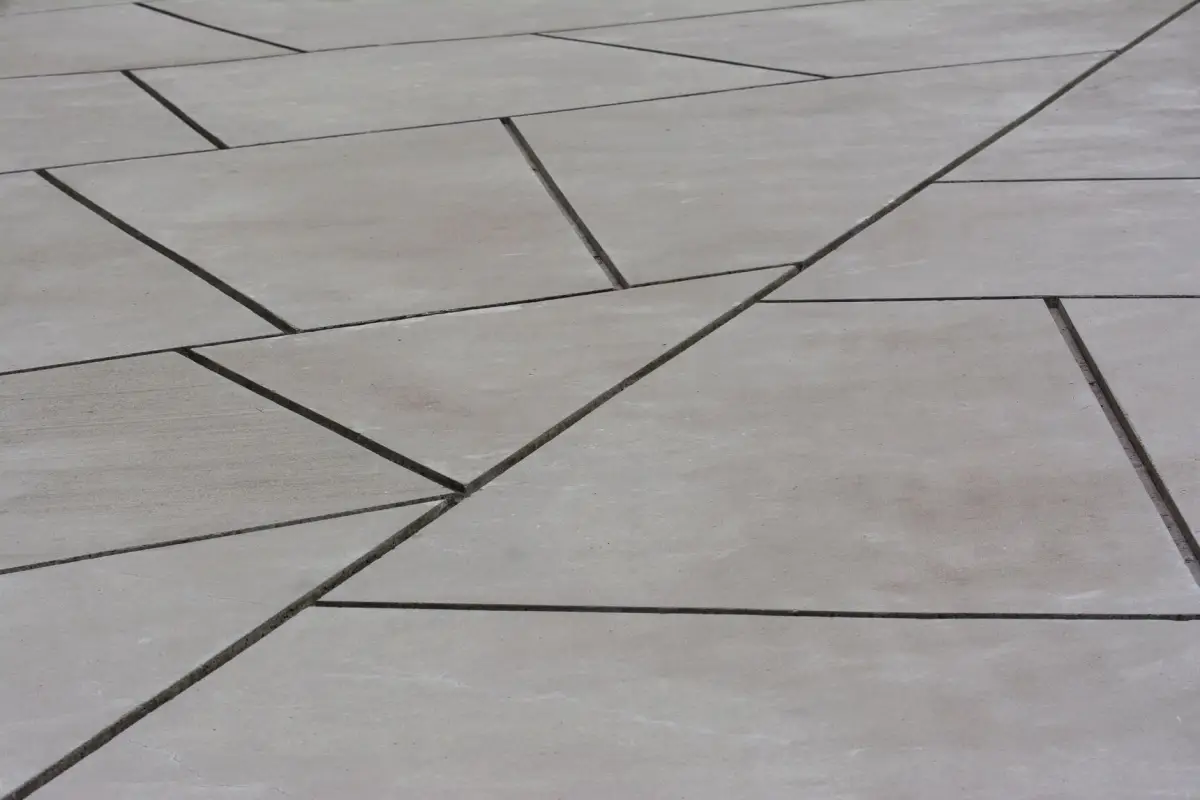
The finish is applied while the overlay is workable: broom texture for traction, knockdown for a mottled slip-resistant surface, stamping for a stone or brick pattern, or troweled smooth where the surface is protected. Joints in the overlay are cut or tooled to line up with the joints in the slab beneath, which is what keeps the slab's normal seasonal movement from cracking the new surface in a random place. Once cured, sealer goes on, with a non-slip additive on anything walked on in winter. From there it is a maintained surface rather than a permanent one. Sealer comes back on a cycle, de-icing salt shortens the life of any thin cementitious surface considerably, and sand for winter traction is the single most useful habit for keeping an overlay intact.
What Does Concrete Resurfacing Cost in Racine, WI?
- Square footage, and how much of it needs repair before the overlay can go on
- Condition of the existing surface, since heavy scaling means more removal and more profiling
- Amount of contamination present, particularly old sealers, coatings or oil that has soaked in
- Overlay system and thickness, from a thin microtopping to a stampable build
- Finish selection, from a plain broom texture to a stamped, stenciled or multi-color decorative treatment
- Crack and joint treatment, including how many joints have to be honored and re-cut in the new surface
- Access, and whether grinding or shot blasting equipment can reach the area
- Color, since a single integral color costs less than a multi-tone antiqued finish
- Sealer type, the non-slip additive, and whether a second coat is included
- Season, since the temperature window for overlay application is narrower than for ready-mixed concrete
Resurfacing is priced on preparation, not on the overlay. Grinding or shot blasting the surface, removing failed material, patching spalls and treating cracks is where the hours go, and a slab in rough condition can approach the point where replacement stops looking expensive by comparison. That crossover is real and worth checking rather than assuming resurfacing always wins on price. The corresponding warning is a resurfacing quote that seems remarkably cheap, because the fastest way to make one cheap is to skip the profiling, and an overlay that was not bonded properly comes off in sheets.
What to Look for in a Racine Concrete Resurfacing Contractor
A Candidacy Check Before a Quote
The slab gets assessed for movement, delamination and drainage before an overlay is proposed. A contractor who quotes square footage over the phone has not established that the service applies.
Mechanical Profiling, Stated
Grinding or shot blasting is what makes an overlay bond. If the preparation described is washing and etching, that is not adequate preparation for exterior work.
Cracks Pointed Out in Advance
Which existing cracks will telegraph through should be identified before the work, on site, so nobody is surprised. Silence on this point is the most common source of resurfacing disputes.
Joints Honored, Not Bridged
The overlay has to be jointed in line with the slab underneath. Ask how the joints will be carried through, because a bridged joint cracks the new surface at that line.
A Realistic Season
Overlay systems have temperature limits that are stricter than ready-mixed concrete. A contractor willing to say the work should wait for spring is protecting the bond.
Salt and Sealer Explained Up Front
A thin cementitious surface in a salted climate is a maintained finish. The resealing cycle and the case against de-icing salt should be part of the conversation, not the fine print.
Residential & Commercial Concrete Resurfacing
Residential
Driveway, patio, walkway, pool deck, porch and garage floor resurfacing for homes across Racine, Mount Pleasant, Caledonia, Sturtevant and Wind Point. Residential resurfacing is usually chosen because the slab is structurally fine and the surface is not, which is exactly the situation it suits.
Commercial
Entry areas, walkways, courtyards and interior floors for retail, office and multi-family properties, where an overlay restores appearance without closing an area for demolition and curing. Commercial resurfacing is normally scheduled in phases around business hours, since the surface has to be kept off until the overlay has cured.
When Concrete Resurfacing Isn’t the Right Call
- If the slab has settled, rocks underfoot, or has cracks with a vertical offset, resurfacing is the wrong service. An overlay follows the movement underneath it and will crack in the same places, usually within a year or two.
- If the goal is to correct drainage, an overlay will not do it. It reproduces the existing slope. Water that runs toward the house today will run toward the house on the new surface too.
- If the concrete is contaminated with oil that has soaked in, particularly on a garage floor, bond becomes unreliable no matter how much preparation is done. That is worth knowing before paying for the attempt.
- If the surface will be salted heavily every winter, understand that a thin cementitious overlay is more vulnerable than the slab beneath it. Sand and a maintained sealer are part of owning one.
- If the slab is at the end of its structural life, resurfacing spends real money on a surface that will be demolished sooner than the overlay would have lasted. Price the replacement before deciding.
- Properties outside Racine, Kenosha, Milwaukee and Waukesha Counties fall outside the working area.
Frequently Asked Questions
- How long does concrete resurfacing last?
- On a sound, properly prepared slab with maintained sealer and no de-icing salt, an overlay is a long-term surface measured in many years. On a slab that still moves, or one that gets salted every winter, it is considerably shorter. The variables that decide it are the condition of the slab underneath, the quality of the surface preparation, and how the surface is treated in winter, in roughly that order.
- Will cracks show through a resurfaced slab?
- Active cracks will, yes. An overlay is a thin layer bonded to the slab, so it moves with the slab, and a crack that is still opening and closing seasonally will eventually appear in the new surface. Some detailing and some systems slow it down. Nothing prevents it. Any contractor who says otherwise should be asked to put it in writing.
- Can a driveway be resurfaced instead of replaced?
- If the slab is flat, at the correct elevation, free of offsets and structurally sound, yes, and it costs far less than replacement. If the driveway has settled at the apron, cracked into sections that move independently, or been patched repeatedly, no. The assessment is what determines it, and it takes a site visit rather than a photograph.
- How thick is a concrete overlay?
- It depends on the system and the finish. Microtoppings go on very thin and are about color and uniformity. Standard overlays are typically a fraction of an inch. Stampable overlays are applied thicker so they can take a pattern impression. Thicker systems require a more aggressive surface profile to bond, which is why the preparation method is tied to the product selected.
- What time of year can resurfacing be done in Wisconsin?
- The season is narrower than for ordinary concrete work. Polymer-modified overlays need surface and air temperatures comfortably above freezing during application and through the initial cure, and most systems prefer a stable or falling temperature rather than a rising one. In practice that closes the season earlier in the fall and opens it later in the spring than a normal pour. A contractor pushing an overlay in marginal conditions is risking the bond.
- Can a resurfaced surface be stamped or colored?
- Yes, and that is one of the main reasons people choose it. Stampable overlays take stone and brick patterns much like fresh concrete, stenciled systems produce a defined grid, and integral or applied color can change the appearance entirely. Like stamped concrete, decorative overlays depend on maintained sealer to keep their color and contrast, and de-icing salt is hard on both the sealer and the surface.
Learn More
- International Concrete Repair Institute — Publishes the Concrete Surface Profile guideline that defines how aggressively a slab must be profiled for a given overlay thickness.
- American Society of Concrete Contractors — Industry association whose Decorative Concrete Council covers overlay systems, stampable toppings and decorative surface work.
- American Concrete Institute — Guides on evaluating existing concrete, bonding new material to old, and the surface preparation required for durable repairs.
Need Concrete Resurfacing in Racine, WI?
Tell us what’s going on and get an on-site estimate — no charge for the visit, and no obligation to book the work.
Get My Free Estimate