RACINE PREMIERConcrete Contracting
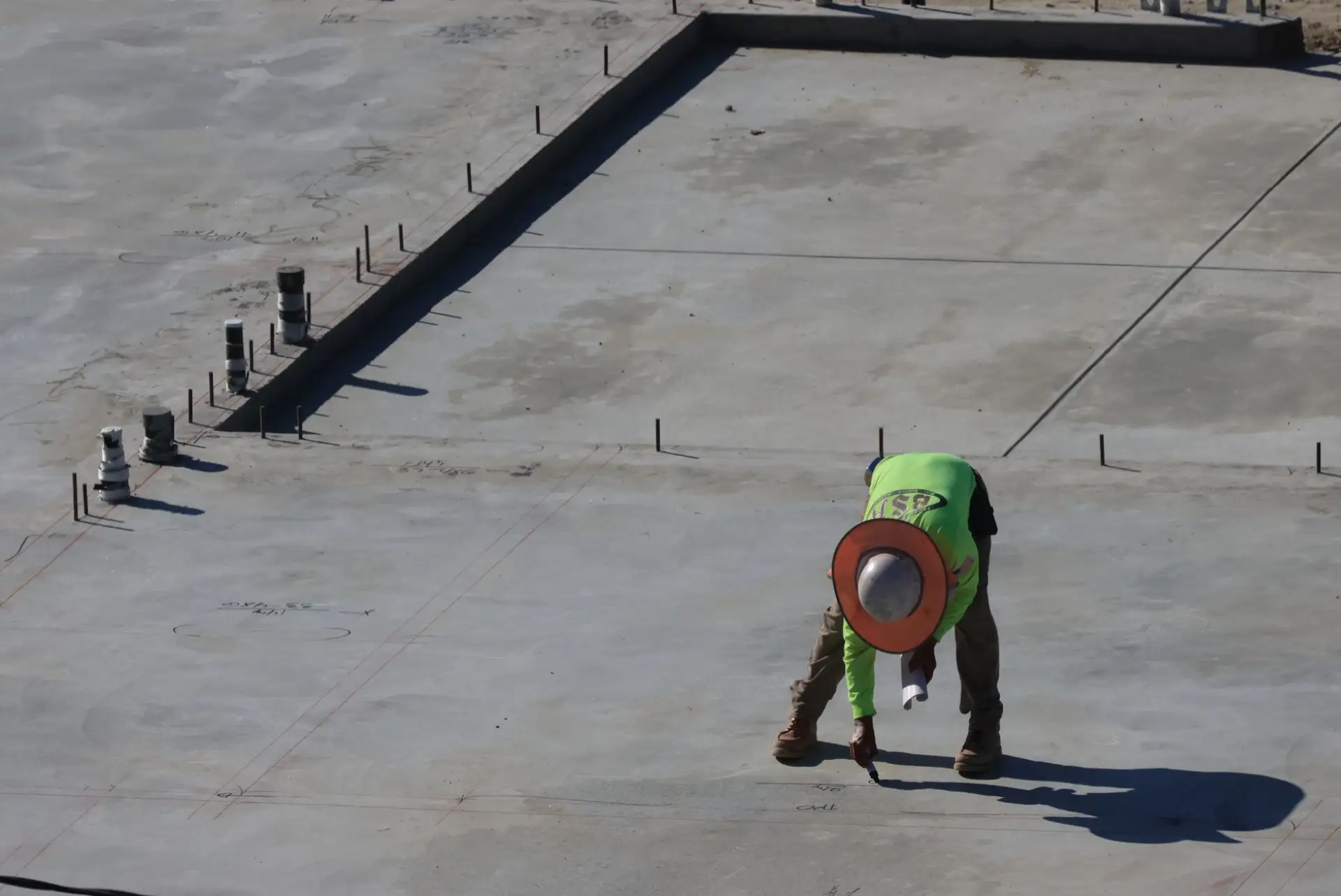
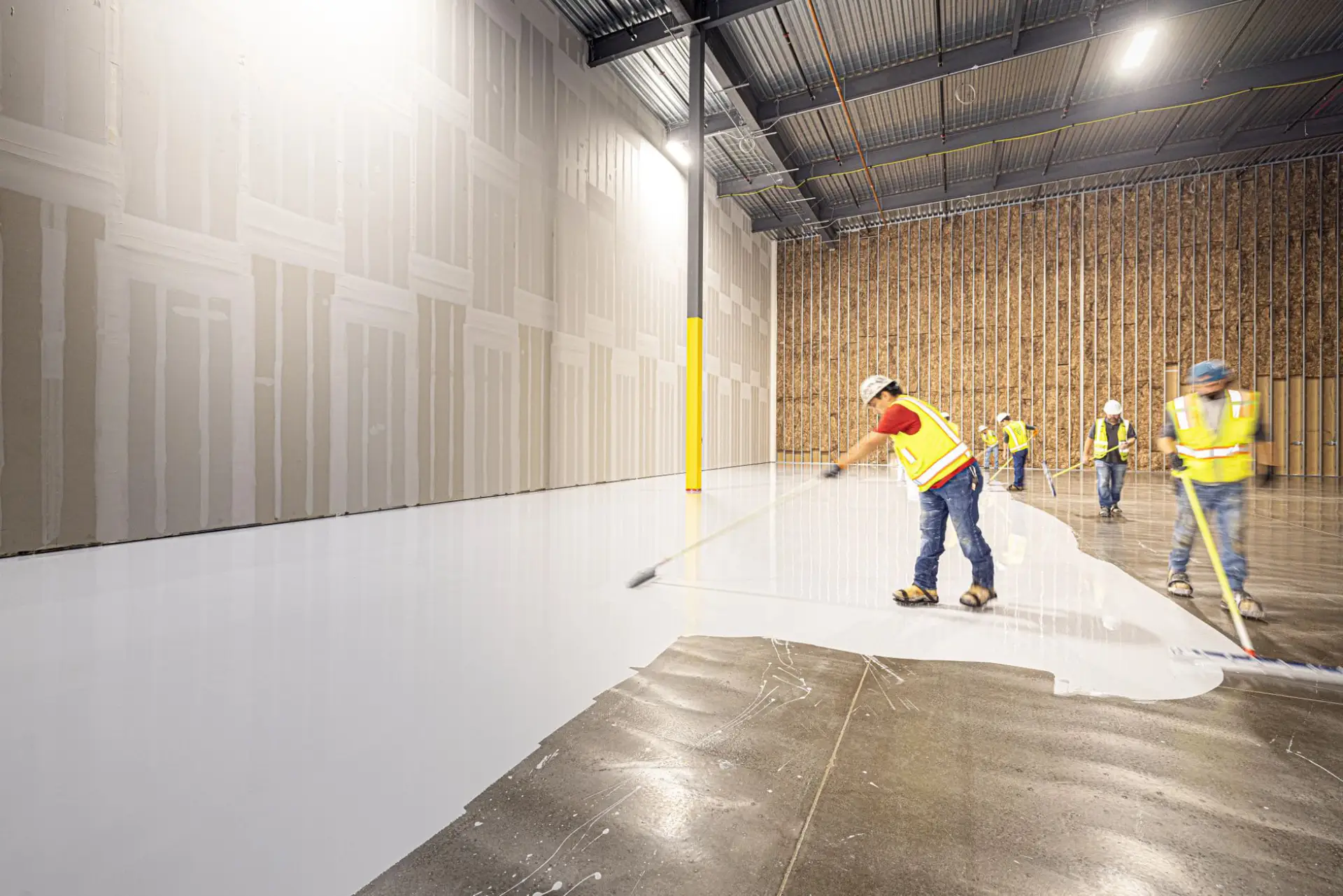
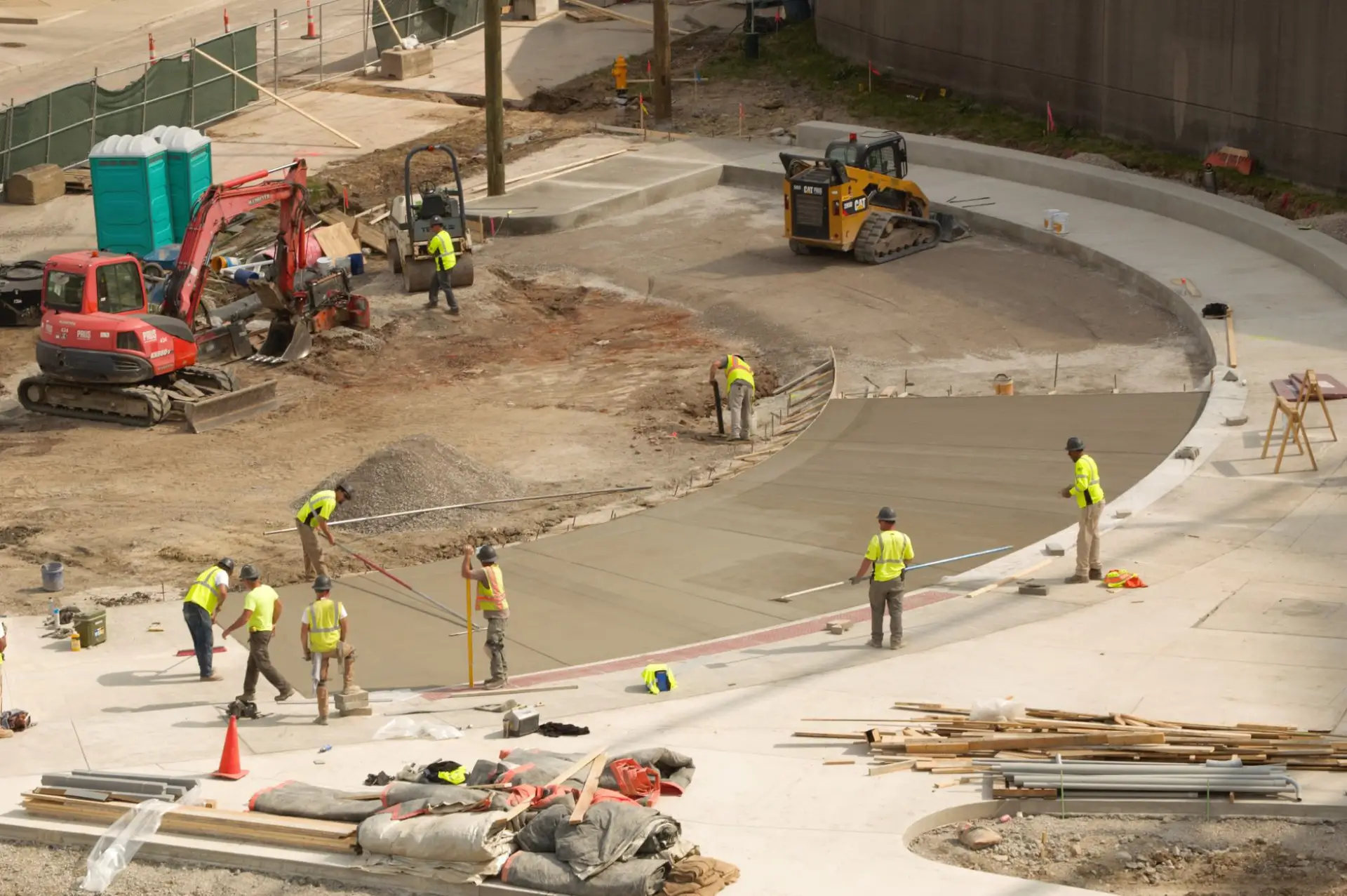
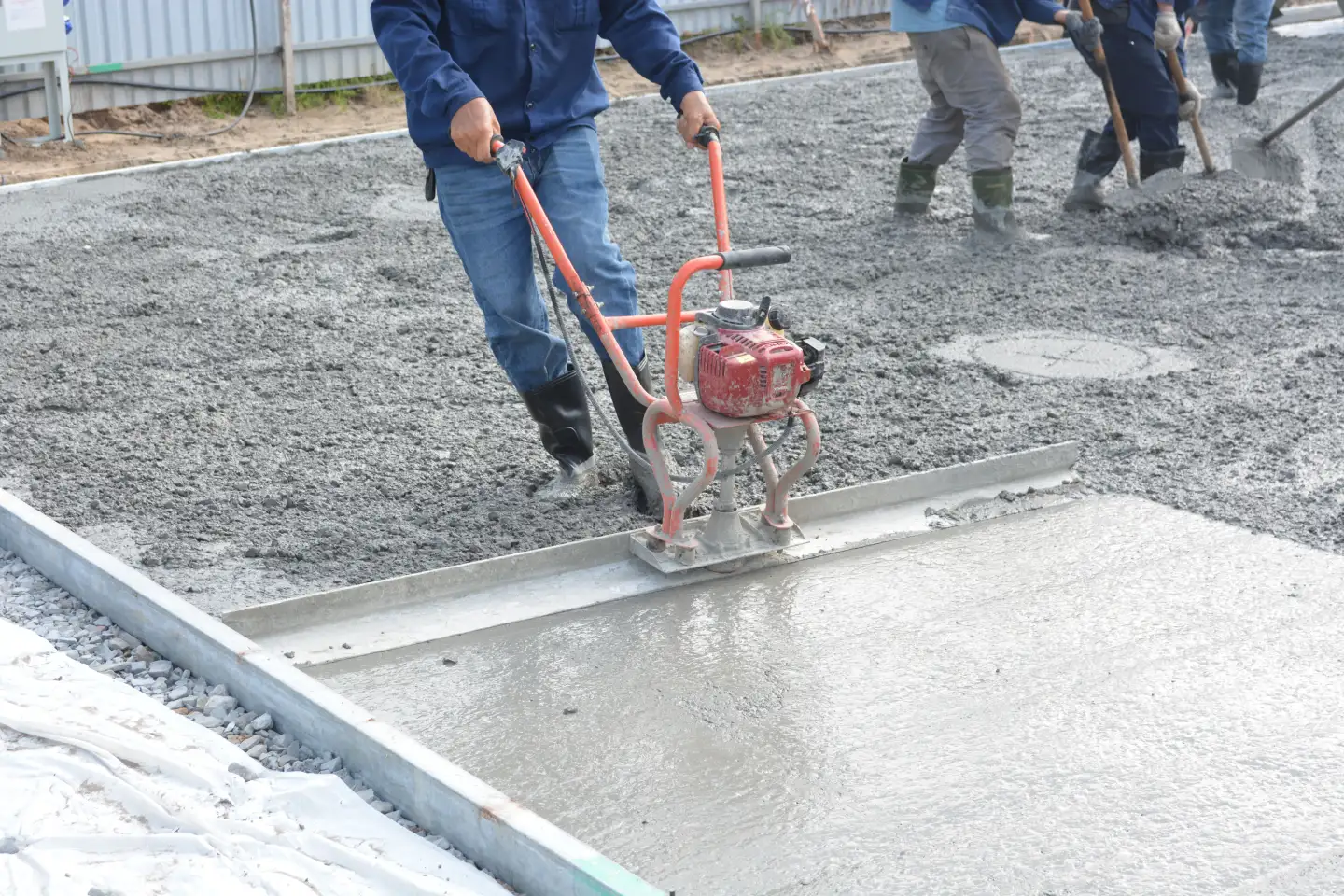
Worker running a power screed across a freshly placed concrete slab between steel form rails, with compacted base and vapor barrier visible along the edge
• Serving Racine, Kenosha, Milwaukee & Waukesha Counties

Racine Premier Concrete:
Residential & Commercial

Concrete Contracting in Racine, WI

Driveways, patios, sidewalks, garage floors, steps and foundation work across Racine, Kenosha, Milwaukee and Waukesha Counties — poured on ground that freezes to 48 inches and thaws into clay. Every estimate states thickness, base depth and reinforcement, so three bids can be read side by side.

Let Us Help You Today

Full Name
Phone Number
Email Address
Zip Code

By submitting this form, you authorize Racine Premier Concrete to share the information you provide with one or more independent local professionals who may be able to assist with your project. These providers may contact you by phone, email, or text regarding your project. While we may prioritize licensed and insured professionals where available, you are responsible for verifying all credentials before hiring a contractor.

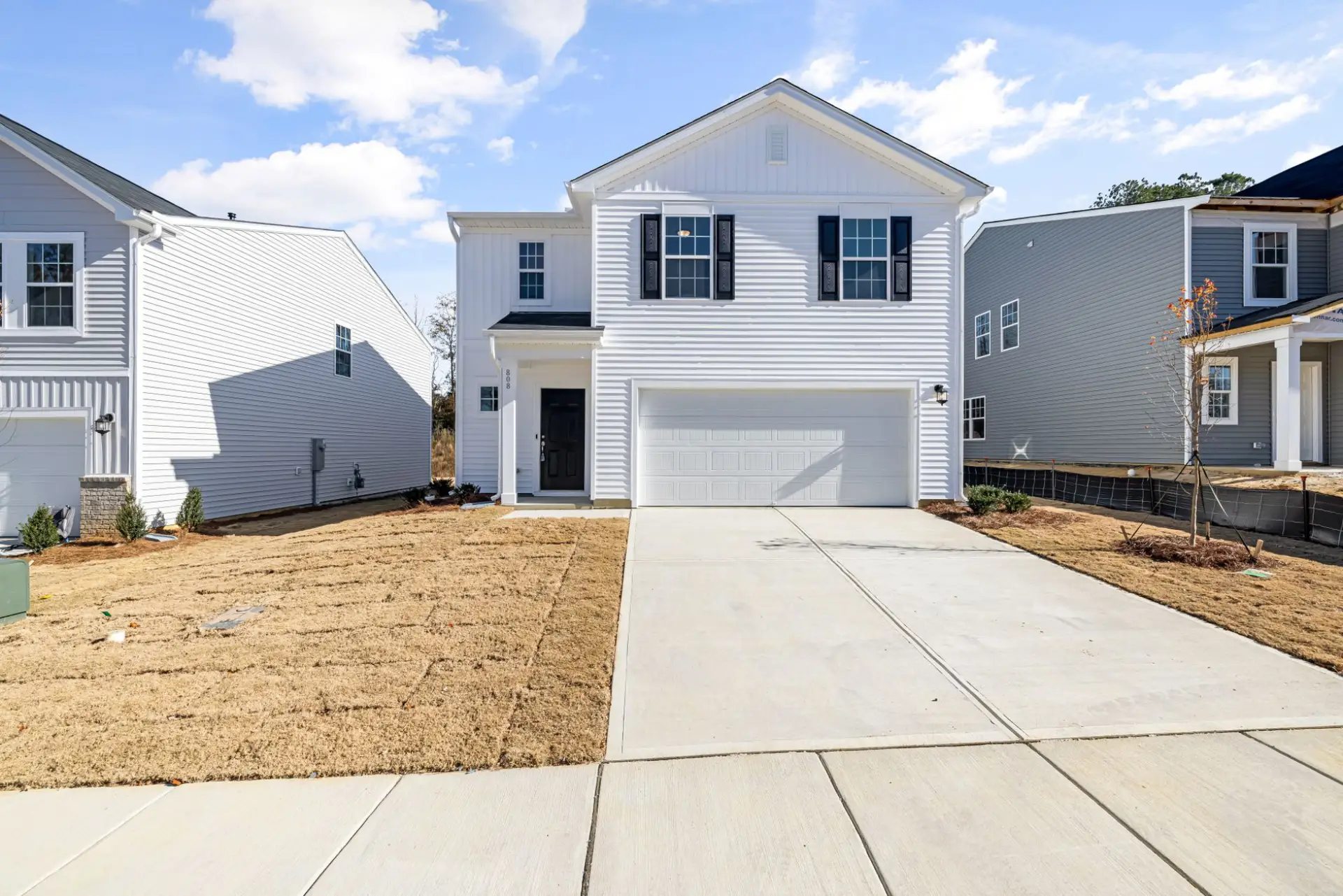
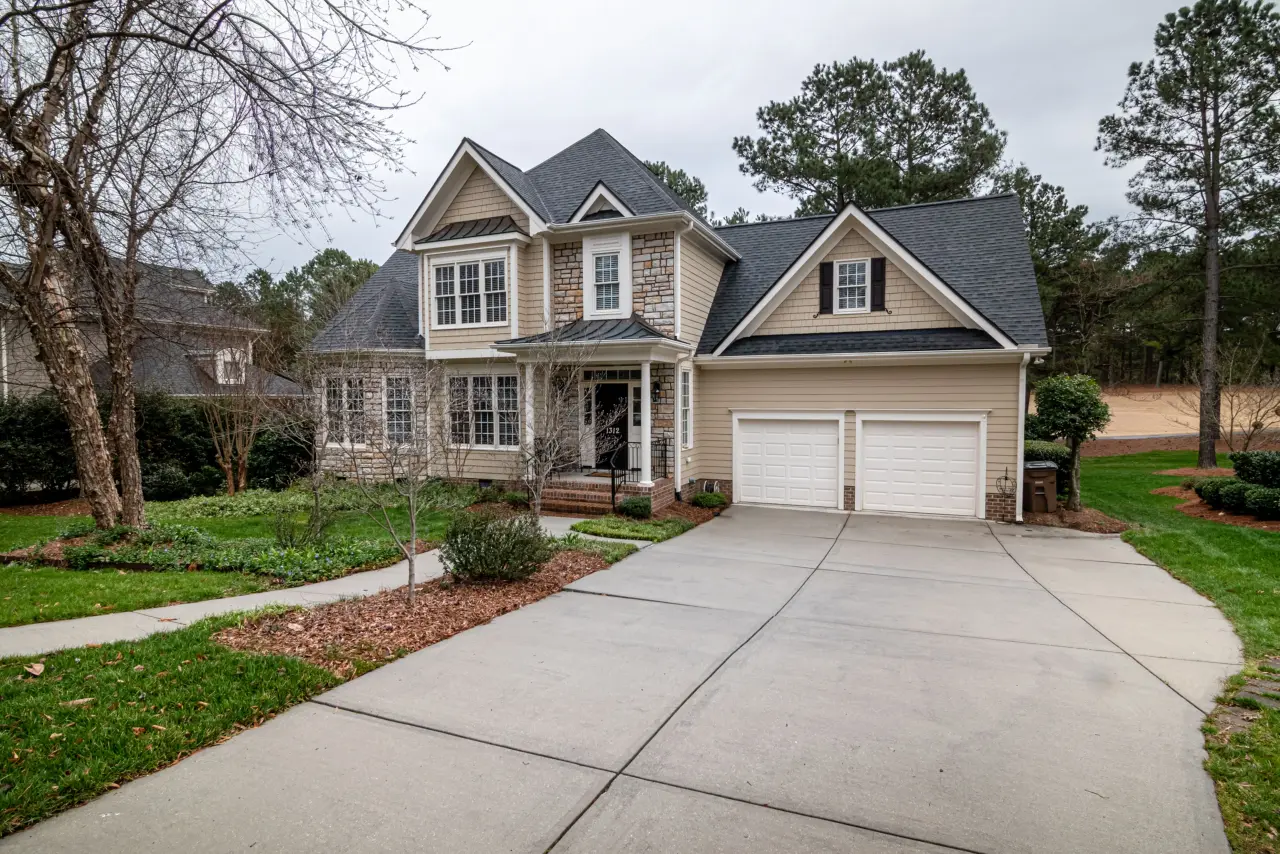
Broom-finished concrete driveway with a saw-cut control joint running up to a two-car garage, a separate walk along the front of the house
About Us

Racine Premier Concrete Is Your Local Resource for Concrete Contracting in Racine, WI

Racine Premier Concrete is your local resource for concrete driveways, patios, sidewalks, steps, garage floors, slabs, foundations, repair and removal throughout Racine and across Kenosha and Milwaukee Counties. We work with experienced concrete contractors who write estimates a homeowner can actually compare — thickness, base depth and reinforcement as separate line items instead of one square-footage number. From a Douglas Avenue apron cut back for the terrace to a Mount Pleasant subdivision slab sitting on clay that holds water into May, every job starts with what is under the concrete rather than what goes on top of it.

  • Driveways, patios, sidewalks, steps, garage floors, slabs, foundations, repair, resurfacing and removal — residential and commercial
  • Serving Racine, Kenosha, Milwaukee and Waukesha Counties, including Mount Pleasant, Caledonia, Sturtevant, Wind Point, Franksville, Union Grove, Kenosha and Oak Creek
  • Free, no-obligation estimates
Services

Residential Concrete Contracting in Racine, WI

A driveway that lifts every spring, a patio poured four inches thick straight onto clay, a garage floor scaled off by road salt — all need the same thing: a bid that states thickness, base depth and reinforcement, not one square-footage number and a handshake.

Services

Commercial Concrete Contracting in Racine, WI

Property managers, retail landlords and plant maintenance staff all need the same thing: scope and phasing priced up front, not a closed main entrance on a Tuesday morning and a conversation about it afterward.

What to Expect

The Cheapest Bid Usually Has the Same Square Footage and Half the Base

A phone number and a truck in the driveway don't make a concrete company. Here's what to check on every estimate you're holding, including the ones that didn't come from here.

  • An Estimate That States Thickness

    Four inches and six inches are different jobs at different prices. A quote that does not say which one it is selling cannot be compared to anything else on the table.

  • Base Depth in Writing

    Base is the part nobody sees and the part that decides whether the slab is still flat in ten years. Ask how deep the compacted base course goes, and what happens if the excavation turns up soft subgrade.

  • Tear-Out Priced Separately

    Demolition and haul-off is a real cost with its own variables, driven by the volume of old concrete rather than the square footage on top of it. Seeing it as its own line item means somebody actually estimated it.

  • A Joint Plan Before the Pour

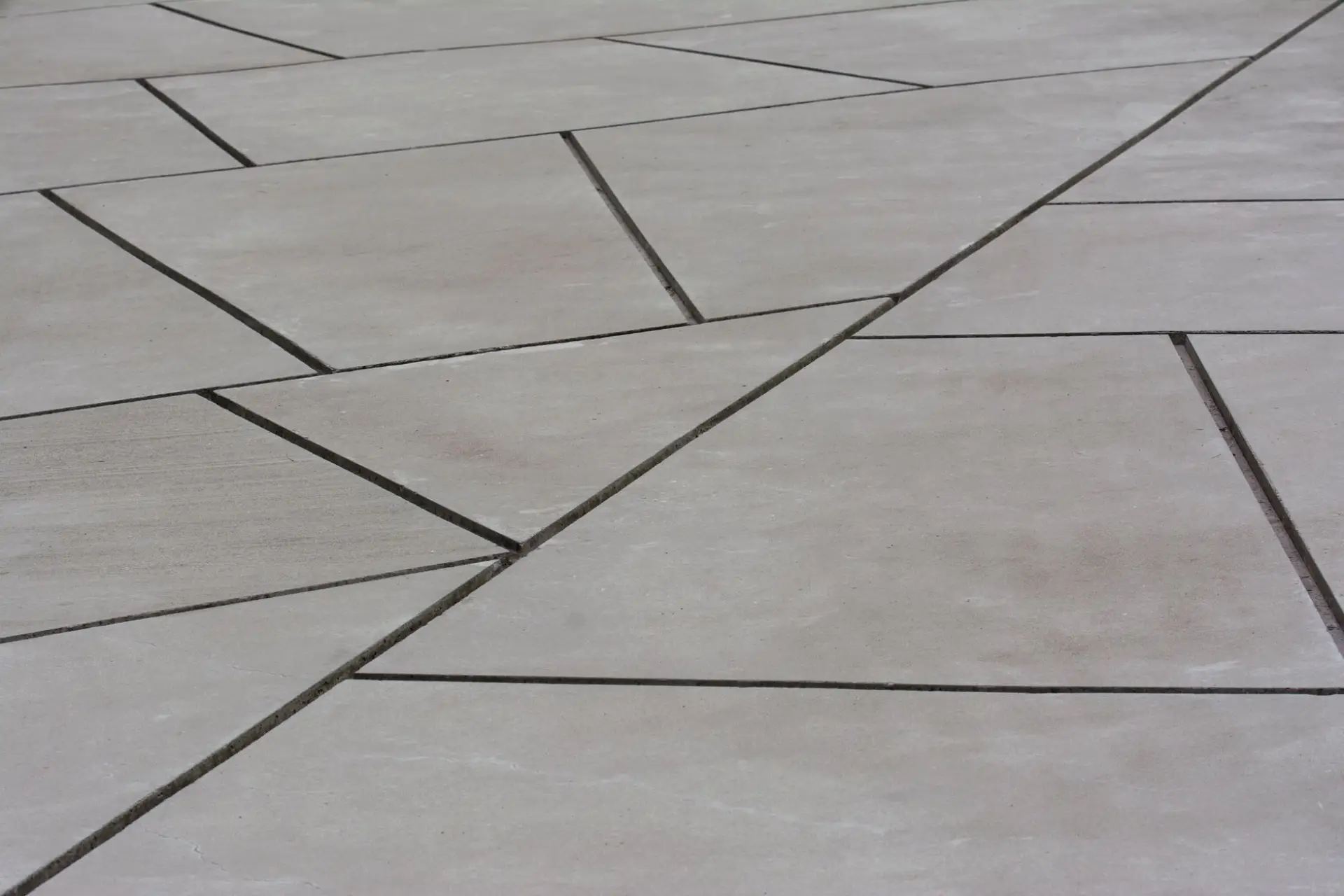
    Control joint spacing and timing should be settled before concrete is ordered, not improvised with a saw the next morning. Ask where the joints will fall and when they get cut.

  • A Straight Answer on Access

    If a ready-mix truck cannot reach the forms, somebody is paying for a pump or a line pump. Better to hear that at the estimate than on placement day.

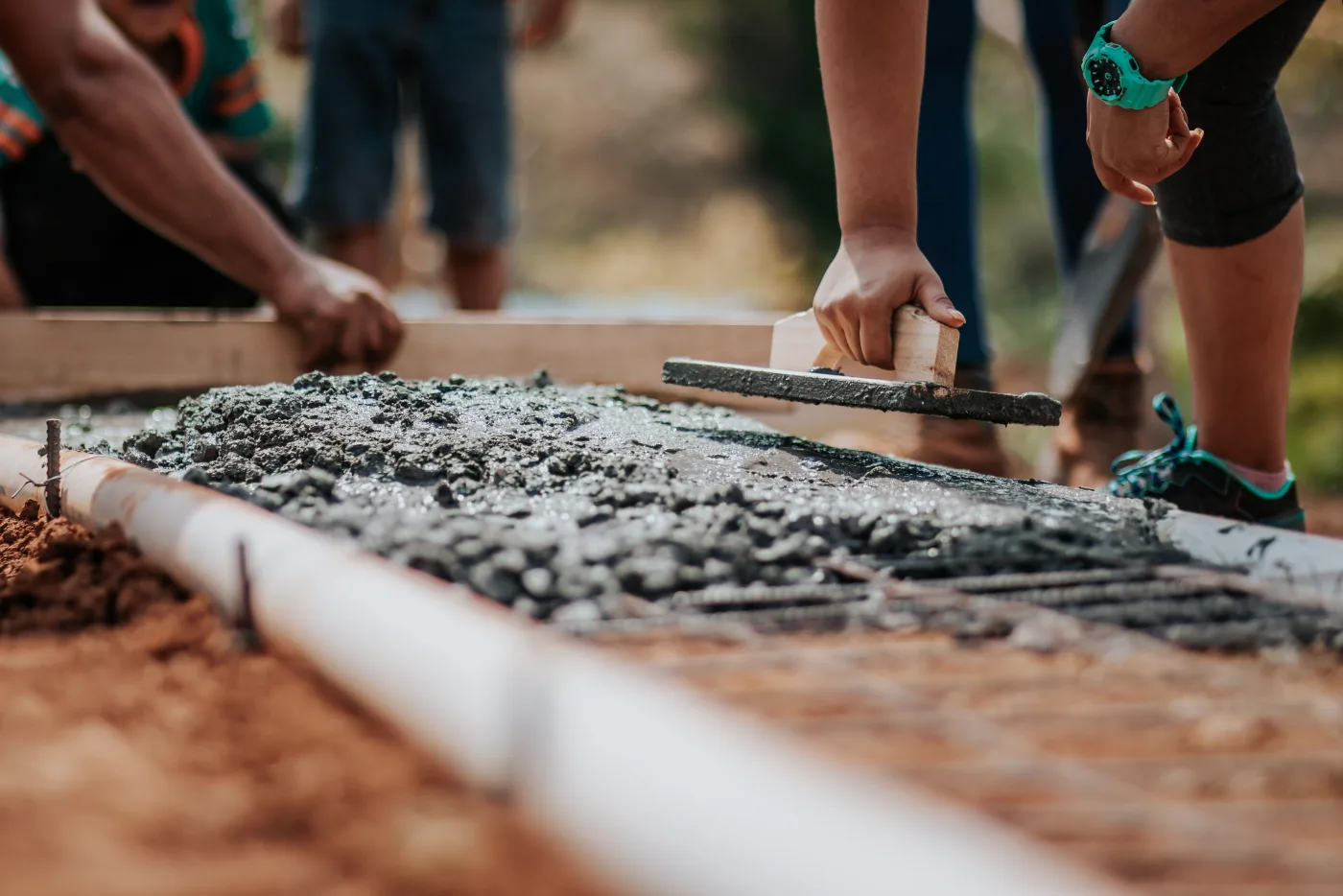
Close view of a hand float drawn across fresh concrete inside wood forms, a rebar mat visible just below the surface
(000) 000-0000
Why Local Knowledge Matters

What Lake-Plain Clay, 48-Inch Frost and Road Salt Do to a Slab

Older two-story frame house on a snow-packed residential street at dusk, snow load on the bare trees and drifts across the yard

Frost Goes to 48 Inches, by Code

Wisconsin's Uniform Dwelling Code, SPS 321.16(1)(a), requires footings and foundations — including those under landings and stoops — to sit below the frost penetration level or at least 48 inches below adjacent grade, whichever is deeper. Flatwork is not footed to that depth, which is exactly why a driveway or a walk moves with the season and a properly footed porch does not. Steps pulling away from the house are usually a footing question rather than a concrete question.

The Subgrade Here Is Lake-Plain Clay

The soil associations mapped across the Racine and Kenosha lake plain — Morley-Beecher-Ashkum and Hebron-Montgomery-Aztalan — run to silty clay and silty clay loam subsoils, ranging from well drained to poorly drained inside a single subdivision. Clay holds water rather than releasing it, and water that cannot leave the subgrade freezes, lifts the slab, and sets it back down somewhere other than where it started. Excavation depth and compacted base course are the two line items worth arguing about.

Salt Season Runs Four Months

Milwaukee's 1991-2020 normals put average annual snowfall at 48.7 inches, and WisDOT alone spread 526,199 tons of salt in the 2016-17 winter, before counting what municipalities and homeowners put down on top of that. Chloride pulls moisture into the surface and drives freeze-thaw deeper into it — WisDOT's own durability research measured roughly half the surface scaling loss on anti-iced samples compared with deiced ones. It is the finished surface that pays for this, which is what air entrainment and a real curing step are for.

How It Works

How a Job Actually Goes

  1. 1

    Measure, Layout and a Written Estimate

    The first visit establishes square footage, how thick the existing slab is where a broken edge shows it, and whether a ready-mix truck can actually reach the forms. Access is not a detail — a truck that backs to the forms is one price, and a backyard patio past a fence is a pump and a separate line item.

  2. 2

    Tear-Out and Haul-Off

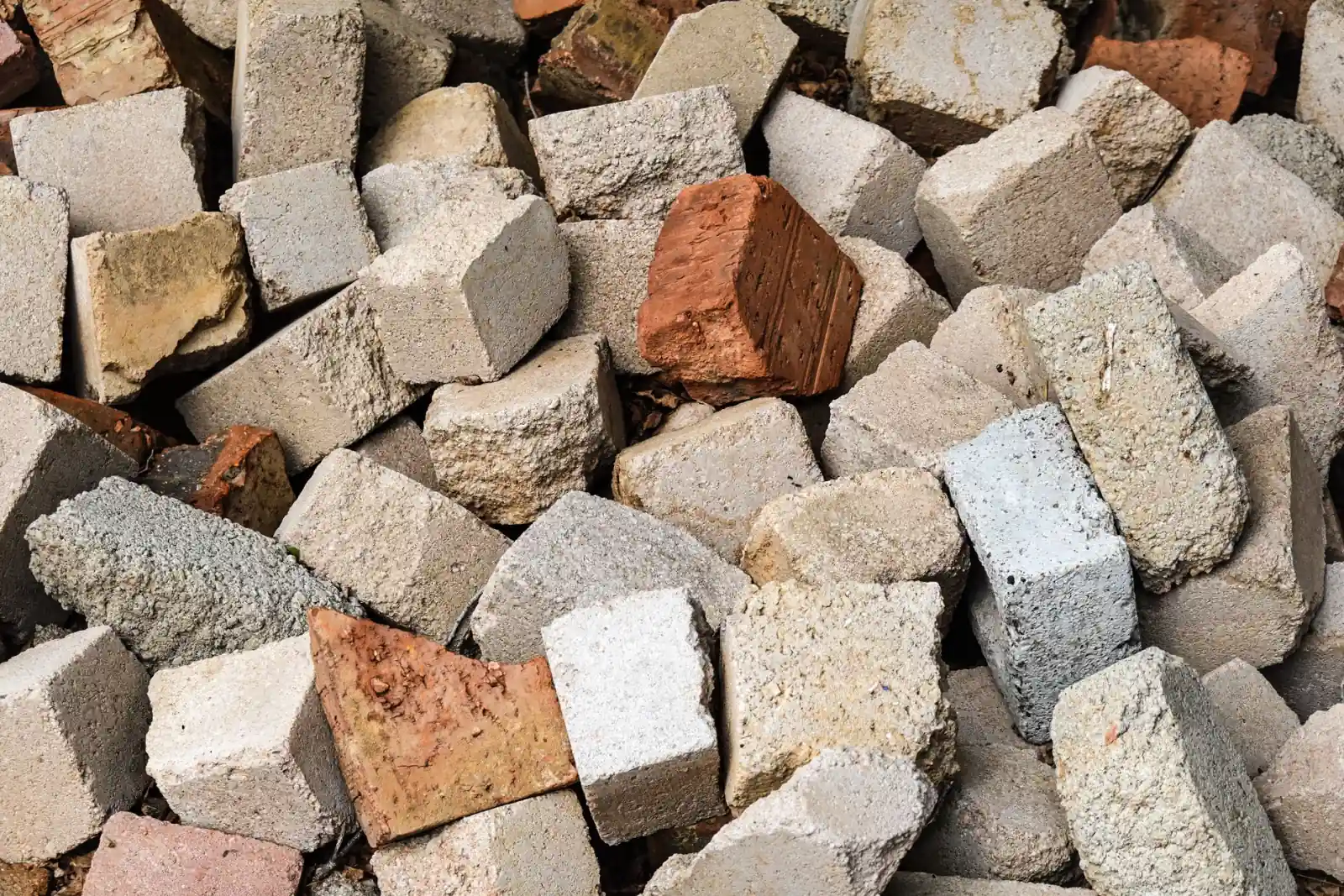
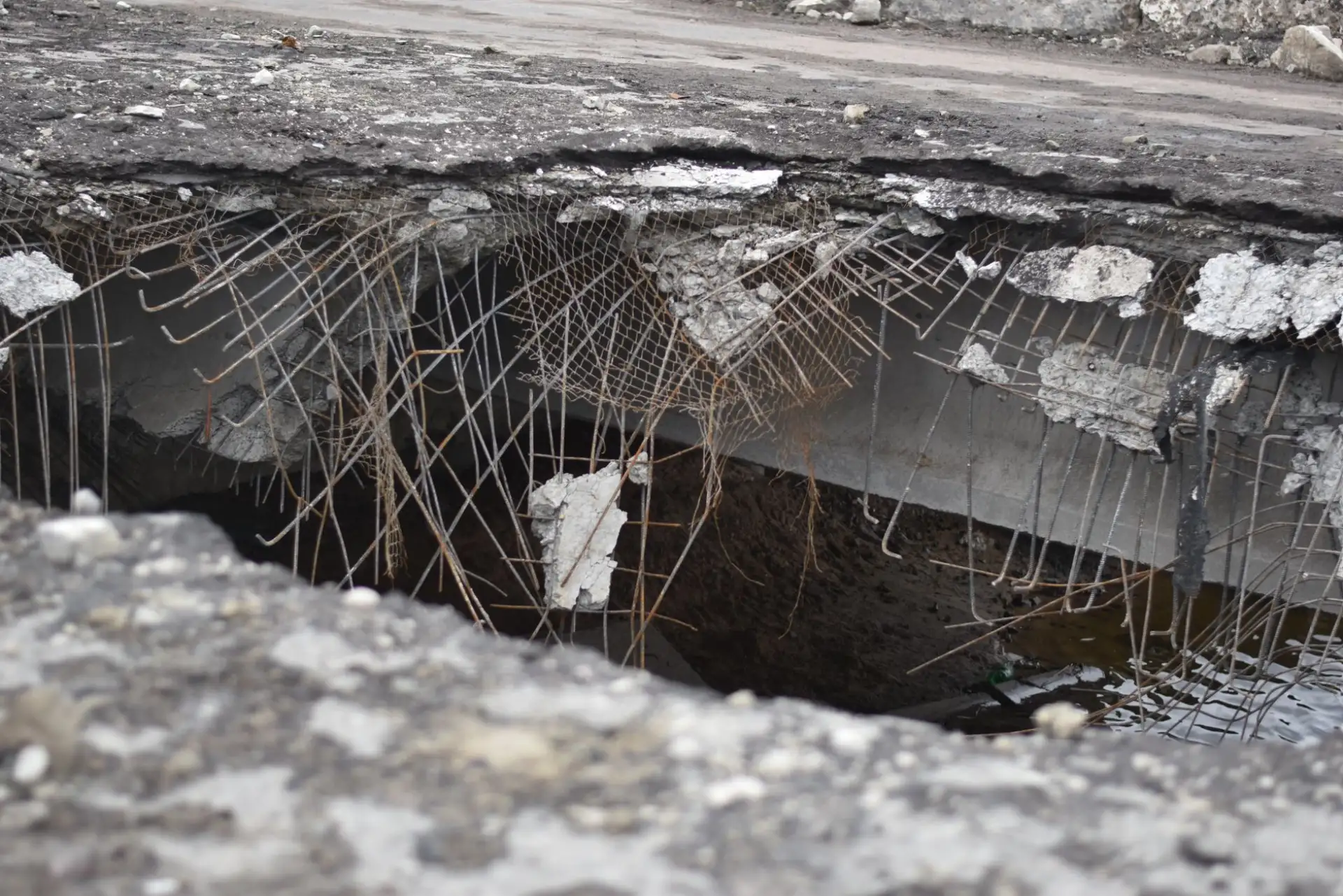
    Old concrete gets broken out and hauled away, and the volume of that debris drives the number, not the surface area above it. Four inches with no steel in it loads out quickly; six inches with rebar through it fills more trucks and costs more to dump.

  3. 3

    Subgrade, Base and Forms

    With the old slab gone, the ground that caused the failure is finally visible. Soft spots get undercut instead of buried, dense-graded base course goes in and gets compacted in lifts, and forms set the grade so water runs away from the garage and the foundation.

  4. 4

    Place, Finish, Joint and Cure

    Concrete is screeded, bull floated, edged and finished — broom is the default here because it holds traction on a surface that spends four months wet, frozen or salted. Control joints are saw-cut within the first day at roughly a quarter of the slab depth, then curing compound goes on.

What It Actually Costs

How Much Does Concrete Contracting Cost in Racine, WI?

National cost guides put installed concrete flatwork somewhere between $3 and $19 per square foot depending on what it is, and that spread is the honest answer rather than a dodge — square footage is the variable that changes least between two very different jobs. Read the table as a sanity check on the bids already in front of you.

  • Square footage, and whether the shape is a simple rectangle or carries curves, wings and a turnaround that add forming time
  • Slab thickness — four inches for a walk or patio, five to six inches where a vehicle parks, more where an RV or a trailer sits
  • Base course depth, and whether the subgrade needs undercutting once excavation exposes it
  • Reinforcement: fiber in the mix versus #4 rebar on chairs at 18 inches on center
  • Tear-out and haul-off volume, driven by the thickness and reinforcement of the old slab rather than its surface area
  • Truck access, and whether a pump or a line pump is needed to reach the forms
  • Short-load charges when a pour comes in under a ready-mix truck's minimum load
  • Finish selection — broom, exposed aggregate, integral color, saw-cut pattern or a stamped border
  • Permit and right-of-way requirements where the work sits in the city terrace
ServiceCost Per Sq. Ft.Typical Job
Concrete driveway$6 – $15$2,400 – $8,600
Concrete patio, broom finish$4 – $12$1,600 – $4,800
Sidewalk or walkway$7 – $17$1,400 – $3,400
Garage floor or slab$6 – $12$2,400 – $6,900
Stamped concrete$8 – $19$3,200 – $7,600
Tear-out and haul-off$3 – $8$1,000 – $3,500

HomeGuide 2026 national cost guides, installed. Typical-job figures assume a two-car driveway, a 20 x 20 patio, a 4-foot walk, a two-car garage floor and a two-car garage floor tear-out; removal includes disposal, and reinforced concrete adds $1 to $3 per square foot to it. Southeastern Wisconsin sits above rural pricing and below major-metro pricing, and thickness, base depth and truck access move the number further than square footage does. A real price comes after someone has stood on the site.

Service Areas

Serving the Racine Area

Racine, Kenosha, Milwaukee & Waukesha Counties are standard coverage, not a special trip. Every city below has its own page covering what concrete work actually looks like on that ground — the soil, the permitting authority and the access.

Who This Isn't For

When This Isn’t the Right Call

Common Questions

Frequently Asked Questions

How thick should a concrete driveway be in Wisconsin?
Five to six inches where vehicles park or turn. Four inches is walkway and patio spec, and it is the most common place a cheap driveway bid quietly saves money. Six inches with #4 rebar on chairs is the answer for RV parking, boat trailers, or a drive that regularly takes a delivery or dumpster truck. Whatever the number is, it belongs on the estimate in writing.
Do footings really have to go 48 inches down here?
For footings and foundations, yes. SPS 321.16(1)(a) of Wisconsin's Uniform Dwelling Code requires them below the frost penetration level or at least 48 inches below adjacent grade, whichever is deeper, and that includes footings under landings and stoops. Flatwork such as a driveway or a patio is not footed to that depth, which is why slabs move seasonally and a properly footed porch does not.
The city sent me an order to repair my sidewalk. What triggers that?
Racine's inspection criteria are specific: more than 1 inch of elevation difference between adjacent squares, a crack wider than 3/4 inch, more than 1/2 inch of elevation difference within a square split by a longitudinal crack, or spalling that leaves surface irregularities deeper than 1/2 inch. The same document rules out crack filler, wedges and surface treatments as a permanent repair — mudjacking or a concrete patch needs prior approval from the Commissioner of Public Works. Work in the public right-of-way, including a driveway approach, also needs a permit from the Department of Public Works.
When can concrete be poured in Racine?
Roughly April through November for residential flatwork, and the exact window moves with the year. The constraint is not the calendar, it is the subgrade and the curing conditions: clay that has been holding water since March will not compact, and concrete placed in the wrong conditions cures badly. A contractor willing to move a date is protecting the slab, not stalling.
How long before I can drive on a new slab?
About seven days for passenger vehicles, and longer in cold weather. Foot traffic is usually fine after roughly 24 hours. Concrete keeps gaining strength for weeks after that, so a moving truck, a loaded dumpster or a delivery of landscape stone in the first month is worth asking about before it shows up.
Should I seal a new driveway, and what about salt the first winter?
Keep de-icing salt off a new slab through its first winter. The surface has not finished curing, and chlorides pull moisture into it — sand gives traction without the chemistry. Sealer is maintenance rather than a finish, and it has to be reapplied on a cycle, so ask which product is going on and how often it needs redoing before anyone applies it.
Learn More

Back to top